17.Happy Birthday: An Embroidery Design Review
As a professional designer and product reviewer who spends countless hours testing digital assets for real-world production, I approach every new file with a healthy dose of skepticism. When evaluating 17.Happy Birthday, my primary concern is not just how the graphic looks on a screen, but how it translates into thread on fabric. While this product is listed as a T-shirt SVG bundle and cut file for machines like Cricut or Silhouette, many makers in our community operate hybrid businesses. We use these graphics as templates for digitizing machine embroidery designs or as mixed-media elements alongside stitched work. Understanding the structural integrity of this design is crucial before you commit it to a custom apparel project or a personalized gift.
First Impressions and Visual Personality
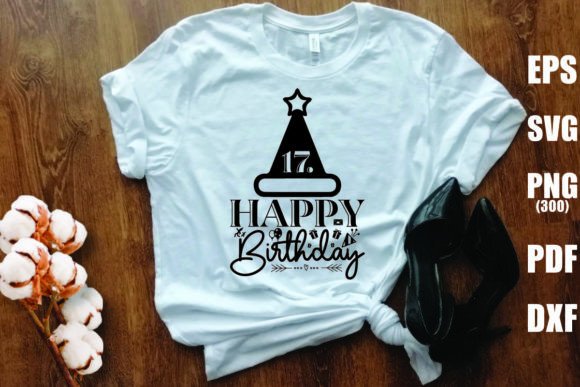
Upon opening the digital download, the first thing that strikes me about 17.Happy Birthday is its celebratory yet versatile mood. Unlike overly juvenile birthday graphics that limit your market to children’s wear, this design possesses a clean aesthetic that could easily transition across demographics. The layout suggests a balanced composition, which is vital when converting vector graphics into embroidery files. A cluttered design often leads to excessive jump stitches and registration issues, but the visual flow here implies a thoughtful arrangement of elements.
For an Etsy seller or small shop owner, this versatility is a significant asset. The design feels appropriate for a wide range of handmade products, from a trendy sweatshirt embroidery project for a teen’s party to a more refined tea towel or tote bag design for an adult celebration. It avoids the trap of being too generic while remaining accessible enough to appeal to impulse buyers looking for last-minute holiday embroidery or birthday gifts. The personality is upbeat without being chaotic, making it a strong candidate for boutique branding and commercial embroidery projects where readability and instant recognition are paramount.
Real-World Application: The Custom Sweatshirt Test
To truly evaluate the utility of 17.Happy Birthday, I mentally placed it in a recent client scenario: creating a batch of custom crewneck sweatshirts for a milestone birthday event. In this context, the design needs to perform under specific constraints. Sweatshirt fleece is textured and prone to shifting, meaning any graphic used as a base for digitizing must have clear, distinct lines. If you are using this SVG as a guide for creating an applique design or satin stitch lettering, the shapes appear sufficiently bold to accommodate fabric turn-under allowances without losing detail.
I envision this design working exceptionally well as a center chest placement on a Gildan or Comfort Colors sweatshirt. For a craft business focusing on personalized gifts, the negative space within the typography allows for customization—perhaps adding a name or age below the main graphic using a complementary running stitch font. This adaptability increases the perceived value of the finished product. Customers trust sellers who offer cohesive, professional-looking merchandise, and the clean lines of this graphic support that level of polish. Whether you are producing a single baby embroidery item or a run of fifty shirts for a corporate event, the design’s structure supports efficient production workflows.
Navigating Fabric Limitations and Technical Constraints
However, no design is universally perfect, and 17.Happy Birthday requires careful consideration regarding substrate choice. Because this is primarily marketed as a cut file, those adapting it for needle and thread must be vigilant about density. If you are digitizing this yourself based on the provided vectors, avoid placing dense fill stitch areas directly over the seams of a garment. The intersection of seam allowance and heavy embroidery can cause puckering or needle breaks.
I would also advise caution when applying this design to highly stretchy fabrics like ribbed knits or thin jersey without adequate stabilizer. While the graphic is robust, intricate corners or tiny decorative accents inherent in the "17" numeral styling could get lost if the fabric distorts during stitching. For dark fabrics, ensure you test your thread colors against the background; high contrast is necessary for the celebratory message to pop in photos and printable mockups. Conversely, on light fabrics, verify that your underlay is sufficient to prevent the fabric texture from showing through lighter-colored satin stitches.
Furthermore, consider the end-use care instructions. If this design is intended for baby clothes or kitchen linens that require frequent washing, simplify any extremely fine details. What looks crisp as a digital graphic may fray after ten wash cycles if the stitch density isn't optimized for durability. Always prioritize longevity over minute detail when creating commercial embroidery products meant for daily use.
Designer Notes for Professional Execution
Before listing any finished product featuring 17.Happy Birthday in your shop, adhere to these practical protocols to ensure quality and compliance:
- Verify Licensing Terms: Since this is a digital download, confirm whether your purchase includes commercial rights for selling physical embroidered items versus digital embroidery files. Never assume usage rights; check the included documentation specifically for embroidery restrictions.
- Create Physical Mockups: Do not rely solely on software simulations. Stitch out a test version on scrap fabric similar to your final product. Check for registration errors between color blocks and assess the hand-feel of the embroidery.
- Optimize Stabilizer Choice: Match your stabilizer to the fabric weight. Use cut-away stabilizer for stretchy apparel to maintain the shape of the design over time, and tear-away for stable woven fabrics like canvas tote bags.
- Test Color Contrast: Photograph your test stitch-out in natural lighting. Ensure the design remains legible and vibrant. This step is critical for creating accurate printable mockups that set correct customer expectations.
- Check Hoop Size Compatibility: Measure the actual dimensions of the digitized design against your available hoop sizes. Resizing a complex design can alter stitch density and cause technical failures; it is often safer to choose a hoop that fits the original proportions.
- Evaluate Small Details: Inspect any text smaller than 0.25 inches. If the source SVG has thin serifs or tight spacing, you may need to modify the artwork before digitizing to prevent thread breaks or illegible text.
Enhancing Brand Value Through Thoughtful Design
Ultimately, the success of 17.Happy Birthday in your product lineup depends on how intentionally you integrate it into your brand ecosystem. For creative entrepreneurs, this graphic serves as a reliable foundation for seasonal inventory. Its balanced composition allows it to pair seamlessly with other design assets in your collection, fostering brand consistency across different product categories. When customers see a cohesive aesthetic across your sweatshirt embroidery, patches, and nursery decor, it builds recognition and trust.
The design’s clarity also aids in marketing. Clean, well-executed graphics photograph better, leading to higher engagement on social media and marketplace listings. In the competitive landscape of T-shirt designs and handmade goods, professionalism is the differentiator. By treating this SVG not just as a quick cut file but as a potential component of a high-quality embroidered product, you elevate your offerings above generic competitors. Remember to always respect the intellectual property of the original creator while adding your unique craftsmanship to the final piece. Whether used for a heartfelt personalized gift or a scalable commercial embroidery line, 17.Happy Birthday offers a solid starting point for makers willing to put in the technical due diligence required for textile excellence.