Vintage 1967 Original Parts: An Embroidery Review
First Impressions of a Retro Milestone Design
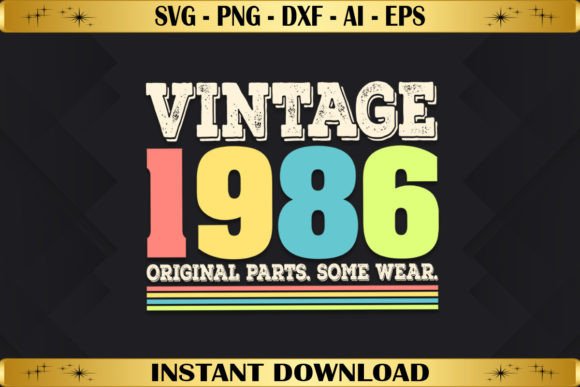
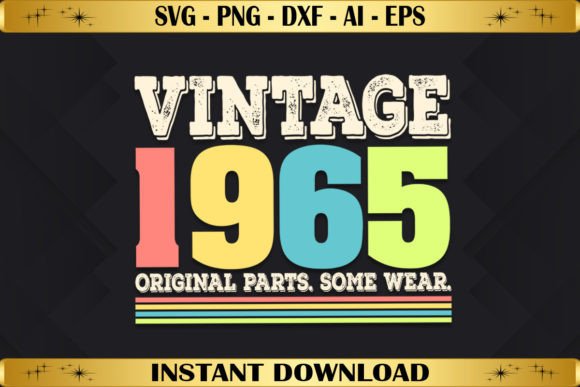
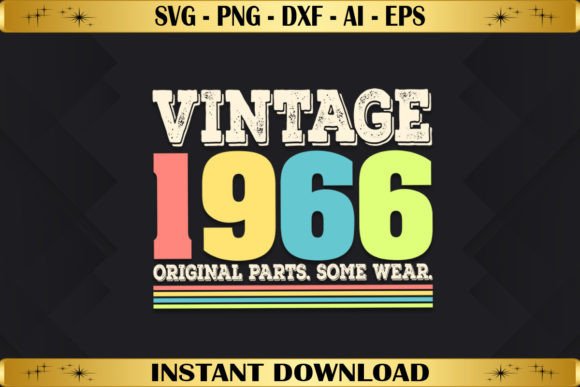
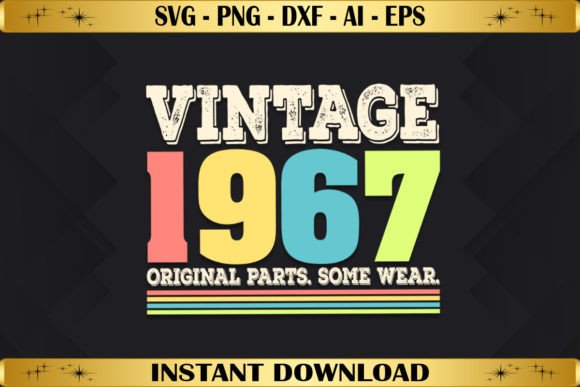
When evaluating the Vintage 1967 Original Parts Birthday collection, my immediate focus is on how this graphic translates from a digital screen to physical thread. As a designer who regularly reviews assets for commercial embroidery and handmade product lines, I look past the novelty of the birth year and assess the structural integrity of the artwork. This design leans heavily into a distressed, retro aesthetic that is currently dominating the custom apparel market. The visual personality is nostalgic yet bold, utilizing typography and graphical elements that mimic aged signage or mechanical parts.
For those working with T-Shirt Designs and Graphics, this specific layout offers a strong focal point. However, as an embroidery professional, I see both opportunity and caution in its "distressed" nature. While it looks fantastic as a print-ready PNG or SVG for sublimation, converting this style into a machine embroidery design requires careful consideration. The grunge texture implies gaps and breaks in the design which, if digitized poorly, can lead to registration issues or excessive jump stitches. My first impression is that this artwork is best suited for projects where a rustic, lived-in feel is desired, rather than crisp, formal precision.
Real-World Application: Stitching a Custom Sweatshirt
To truly understand the viability of the Vintage 1967 Original Parts Birthday file, I approached it with a specific client project in mind: a heavyweight cotton sweatshirt intended as a personalized gift for a 57th birthday. Sweatshirt embroidery presents unique challenges due to the fleece backing and stretchy knit face. In this scenario, the design’s vintage theme aligns perfectly with the garment's casual comfort.
During the preparation phase, I considered how the "Original Parts" motif would interact with the fabric texture. Because the source files include AI and EPS formats, I was able to inspect the vector nodes before digitizing. This step is critical. If you are purchasing this as a pre-digitized embroidery file, you must verify the stitch density. For this sweatshirt project, I opted to simplify some of the finer distress marks found in the original graphics. Retaining every pixel of wear-and-tear in thread often results in a dense, bulletproof patch that distorts the garment. Instead, I used a combination of fill stitch and running stitch to suggest age without compromising the drape of the sweatshirt. The result was a breathable, tactile design that felt authentically vintage rather than digitally imposed.
Navigating Fabric Choices and Hoop Limitations
The versatility of the Vintage 1967 Original Parts Birthday design extends across various mediums, but performance varies significantly by substrate. When planning your next embroidery project, consider these practical constraints:
- Tote Bag Design: Canvas tote bags are ideal for this graphic. The sturdy, non-stretch fabric supports higher stitch counts and allows the detailed "parts" imagery to remain stable. A flat hoop size of at least 5x7 inches is recommended to capture the full width of the text without distortion.
- Baby Embroidery: Exercise extreme caution here. While the design is cute for a nursery theme, the complex textures may be too abrasive for delicate infant skin. If adapting this for baby clothes, strip back the distress effects and use softer thread colors to maintain safety and comfort.
- Caps and Curved Surfaces: The horizontal orientation of "1967 Original Parts" can be tricky on structured caps. You may need to arc the text or reduce the overall footprint to prevent stitching off the seam allowance. Always test on a scrap cap stabilizer setup first.
- Kitchen Towels and Tea Towels: These make excellent holiday embroidery items using this design. However, because towels are washed frequently, ensure all decorative accents are secured with adequate underlay. Loose threads in a distressed design will unravel quickly in high-heat laundry cycles.
Technical Considerations for Digital Assets
This product arrives as a zip compressed folder containing versatile formats: 1x SVG, 1x PNG, 1x DXF, 1x AI, and 1x EPS. For Etsy sellers and craft business owners, this multi-format delivery is valuable. The SVG and PNG files are perfect for creating printable mockups or listing photos for digital embroidery file sales. However, remember that these are primarily graphics. Unless explicitly stated otherwise, they are not pre-digitized stitch files.
If you are digitizing this yourself or hiring a digitizer, pay close attention to the transition between the solid "1967" numerals and the textured "Original Parts" lettering. Contrast is key. Using a satin stitch border around fill stitch areas can help define the edges that might otherwise get lost in the fabric grain. Additionally, check your licensing terms before selling finished products. While the files are print-ready, commercial embroidery rights for specific designs should always be confirmed to protect your small shop product line.
Elevating Product Value Through Presentation
Beyond the technical execution, the Vintage 1967 Original Parts Birthday design carries significant emotional weight. In the world of handmade products and personalized gifts, specificity sells. Customers aren't just buying a generic "Happy Birthday" item; they are purchasing a connection to a specific year and identity. When used correctly, this design enhances buyer engagement by triggering nostalgia.
For creative entrepreneurs, presentation matters as much as the stitching. Use the included high-resolution PNG to create accurate digital previews. Show potential customers what the design looks like on dark versus light fabrics, as thread color contrast dramatically changes the perception of vintage details. A black shirt with white and gold thread reads differently than a cream sweatshirt with brown and olive tones. Testing these combinations in software before committing to production saves time and materials.
Designer Notes for Successful Execution
Before loading this design into your machine or listing it in your store, adhere to these professional best practices to ensure quality and customer satisfaction:
- Stabilizer Selection: Given the likely complexity of the vintage texture, use a cut-away stabilizer for knits and a tear-away for wovens. Do not skimp on stabilization; shifting ruins the alignment of distressed elements.
- Thread Color Testing: Vintage palettes often involve muted tones. Test thread colors against the actual garment fabric, not just a screen. What looks like a perfect faded red on monitor may stitch out as bright crimson, breaking the illusion.
- Simplify for Scale: If resizing the design down for a pocket logo or sleeve accent, remove internal texture details. Small hoop sizes cannot handle intricate grunge patterns without becoming a solid blob of thread.
- Mockup Accuracy: When using the provided files for marketing, ensure your printable mockup reflects realistic stitch texture. Misleading customers with flat vector images when selling embroidered goods leads to returns and negative reviews.
- Commercial Verification: Always double-check whether the license covers physical product sales, digital file redistribution, or both. Protecting your business starts with respecting intellectual property guidelines.
The Vintage 1967 Original Parts Birthday collection is a robust asset for makers who understand the bridge between digital art and textile application. By respecting the technical demands of embroidery and leveraging the nostalgic power of the graphics, you can transform these files into cherished, high-value products that resonate deeply with recipients and buyers alike.